
If you have time this weekend, I recommend the exhibition, Nigerian Modernism, which is currently showing at Tate Modern. One question I often hear is: How does African Modernism differ from European Modernism? Like its European counterpart, African Modernism refers to art produced between 1920 and 1990; and it champions the spirit of free expression. Modernism in general embraces the idea of abstractions and fragmentation symbolized by artists such as Pablo Picasso and Frida Kahlo.
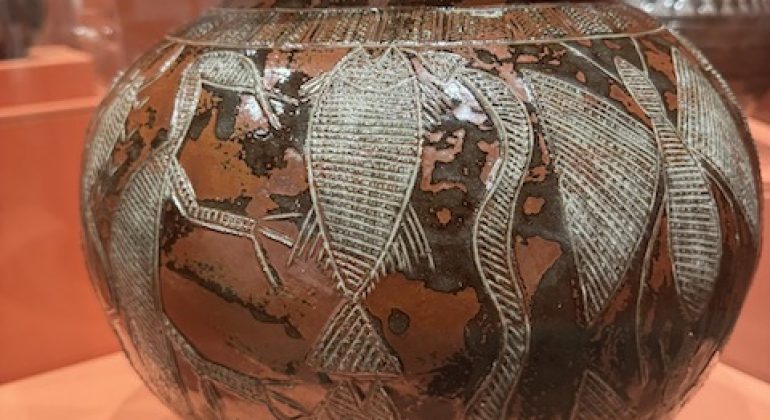
The key feature of African Modernism is that its artistic production coincided with a larger effort by African intellectuals to create works that spoke about African culture and tradition. African Modernists were not bound by ideological constraints and felt liberated to incorporate traditional techniques and materials into their work. Whether through fragmentation of shapes in their paintings, or carvings in pottery and ceramics, artists such as Ben Enwonwu, Ladi Kwali, Akinola Lasekan took the sentiment of modernism and applied it to what they already knew.
Many of the acclaimed Nigerian artists, in particular, played a pivotal role by using traditional techniques to highlight the creativity of African people. For example, Ladi Kwali’s pottery and ceramic pieces illustrate how, in Africa, artistic inheritance and knowledge is passed down through familial and community relationships. This differs from European approaches to artmaking, which often were formalized through training in art schools. Even after many African artists entered formal training, the central feature of their work continued to employ indigenous techniques and materials that they had learned on the continent.
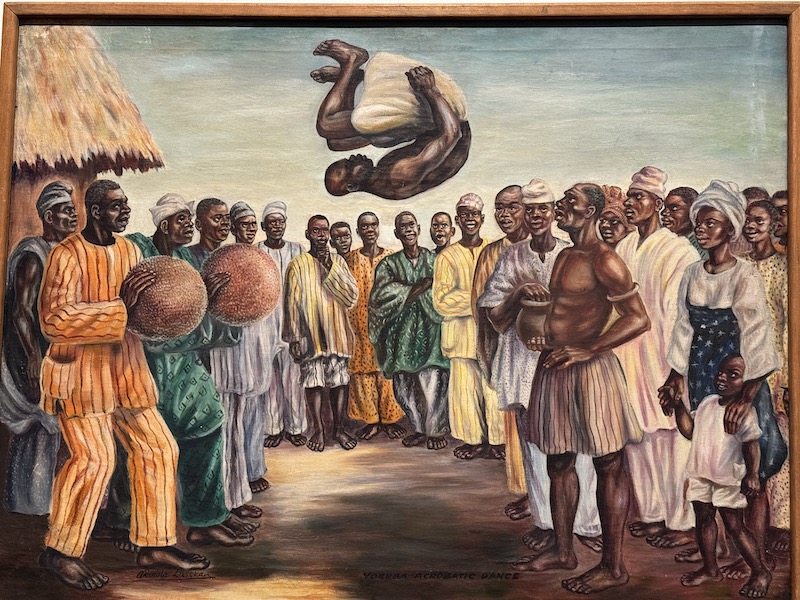
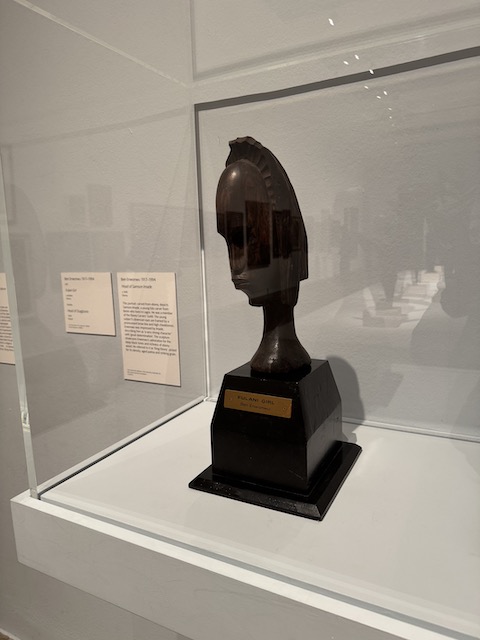
Thematically too, Nigerian modernist wanted to strike an optimistic tone about the progress of the continent. For example Nigerian modernism Ben Onwonwu, used local materials like ebony wood to honor community heroes. In his much-acclaimed sculpture, Head of Samson Imade, Onwonwu captures a local man, also a carver, whose regalness and determination are a source of community pride. Similarly, Akinola Lasekan’s artworks highlight local traditions and celebrations as seen in his painting, Yoruba Acrobatic Dancers, 1963. This painting illustrates how African modernist were adamant at centering African culture and life.
Note: Nigerian Modernism Exhibition will be on display until 10 May 2026 at Tate Modern, Bankside, London.